
Egypt Travel Guide 2026: Everything to Know Before You Go
The only Egypt primer you need for 2026, when to go, visas, safety, how long to stay, and the route that strings the pyramids, the Nile and the Red Sea into one unforgettable trip.
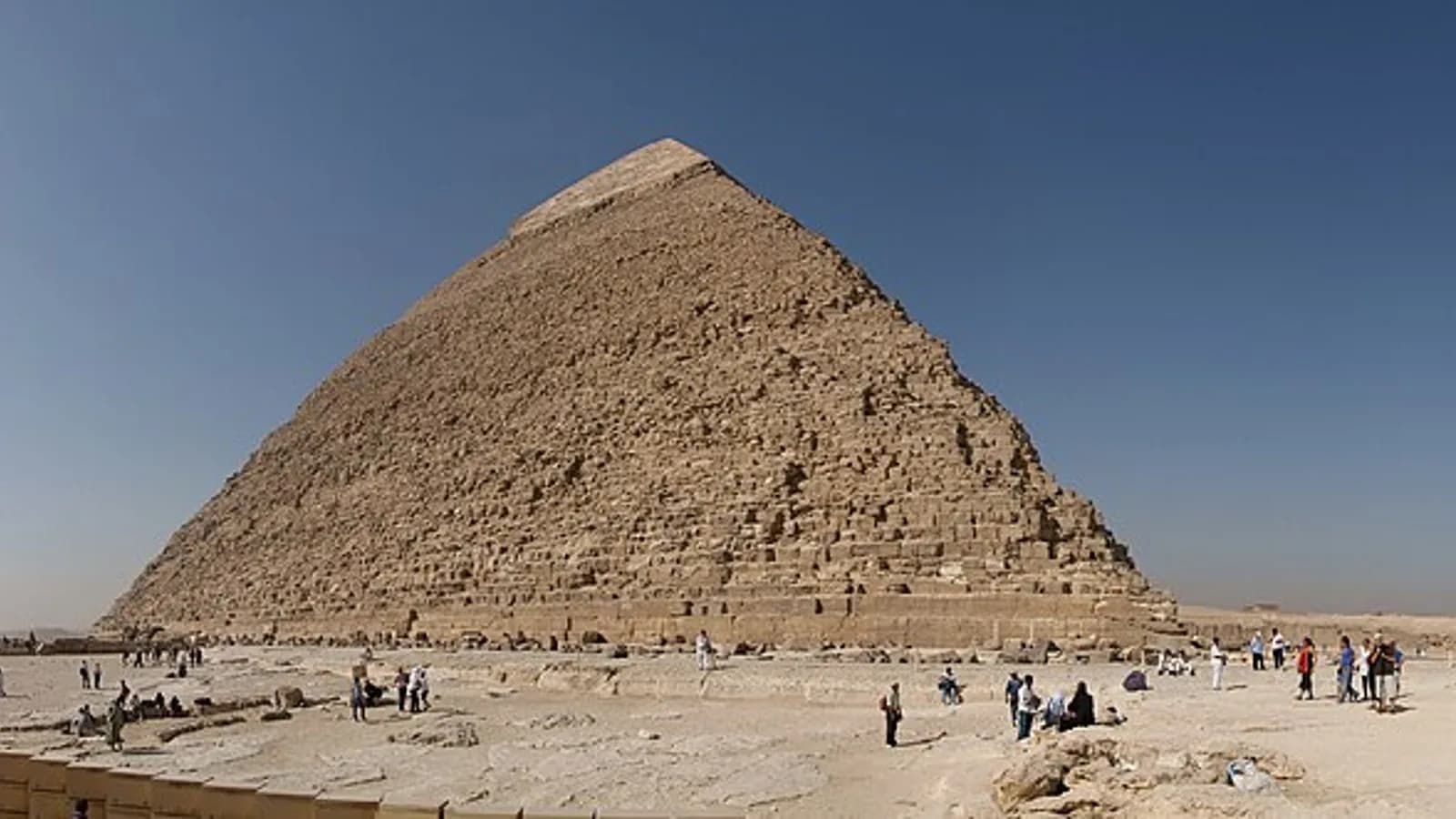
Egypt is the rare destination that somehow exceeds its own postcards. You arrive knowing the silhouette of the pyramids by heart, and then you stand at their base on the edge of a living city and feel the scale rearrange something in you. This is the country that invented the monument, the obelisk, the idea of the afterlife as architecture, and in 2026 it is more rewarding to visit than it has been in a generation. This guide is the orientation you need before you book: when to go, whether you need a visa, how safe it really is, how long to stay, and the route that ties the whole country together. Think of it as the front door, every section here opens onto a deeper guide, and every place we mention is waiting for you on the interactive map. ## Why 2026 is the year to go Two things have changed Egypt for travellers. The first is the Grand Egyptian Museum which opened in full in November 2025 on the Giza plateau, within sight of the pyramids. It is the largest archaeological museum in the world, roughly 500,000 square metres, and for the first time it displays the complete tomb collection of Tutankhamun, all 5,000‑plus objects, together in one place. The boy king's gold, his chariots, his hunting fans: a hoard that was scattered for decades is finally under one roof, beside a grand staircase of colossal statuary that climbs toward a window framing the pyramids themselves. The second change is quieter but just as real: Egypt has reinvested heavily in its sites and its security, and the visitor experience, ticketing, restoration, new museums in Cairo, Luxor and Sharm, is the best it has ever been. Combine that with a favourable exchange rate, and 2026 offers world‑wonder travel at a value that is increasingly hard to find. ## Best time to visit The short answer: October to April. This is Egypt's cool clear season, when daytime temperatures in Cairo and Luxor sit comfortably in the 20s°C (70s°F), the desert sun is generous rather than punishing, and the dawn air is crisp enough for a hot‑air balloon over Luxor's West Bank. - November to February is peak: ideal weather, the fullest cruise schedules, and the busiest sites, book ahead.
- October, March and April are the sweet spot for many: still‑warm days, thinner crowds, and slightly better prices.
- June to August is low season for a reason. Upper Egypt (Luxor, Aswan, Abu Simbel) routinely exceeds 40°C (104°F). It's not impossible, start at sunrise, rest at midday, and the Red Sea coast stays pleasant, so summer trips often pivot toward Hurghada or Sharm El Sheikh. If you can, aim for the shoulders. You get the temples without the queues. ## Do you need a visa? Most travellers do and it's straightforward. You have two routes: - e‑Visa (recommended): apply online before you travel through Egypt's official portal. It costs roughly US$25 for single entry or US$60 for multiple entry, each granting a 30‑day stay. Approval is usually quick, and it spares you a queue on arrival.
- Visa on arrival: available at major international airports such as Cairo, Hurghada and Sharm El Sheikh. As of March 2026 the fee rose to US$30 (single entry, 30 days), payable in cash US dollars at the bank kiosk before passport control. A few nationalities enter visa‑free or have different rules, so confirm your own before booking, and only ever apply through the official government e‑Visa site, never a look‑alike. Your passport should be valid for at least six months beyond your arrival date. ## Is Egypt safe? This is the question everyone asks and it deserves an honest answer rather than a brochure one. The tourist corridor of Egypt, Cairo, Giza, Luxor, Aswan, the Nile between them, and the Red Sea resorts, is heavily secured and visited by millions of travellers a year. Tourist‑police presence at the major sites is constant, and the infrastructure that moves visitors around is mature. At the time of writing, the US State Department rates Egypt at Level 2, "Exercise Increased Caution", the same rating it gives France, Italy and the United Kingdom. Its "Do Not Travel" guidance is limited to North and Middle Sinai and parts of the remote Western Desert near the Libyan border, none of which feature on a normal Egypt itinerary. (Sharm El Sheikh, on the southern tip of the Sinai peninsula, is reached by air and is not part of the restricted northern Sinai.) The practical takeaways: travel with a reputable operator, keep to the established routes and sites, dress modestly, and treat the persistent souvenir‑selling at major monuments as the minor friction it is rather than a threat. Do that, and Egypt feels not just safe but extraordinarily welcoming. ## How long do you need? For a first visit 7 to 10 days is the sweet spot: - 5 days covers the headlines at pace, Cairo and Giza, then a quick flight to Luxor for the temples and tombs.
- 7 days is the classic: Cairo and Giza, then the Nile between Luxor and Aswan, usually by cruise.
- 10 days lets you add Abu Simbel in the deep south, or a few decompression days on the Red Sea.
- 14 days opens up the off‑beat, Alexandria, the Western Desert oases, or a proper diving week. Egypt rewards a little patience. The temples are dense with meaning, and a rushed trip turns wonders into a checklist. ## The classic route Almost every great Egypt trip is a variation on one spine: 1. Cairo & Giza the pyramids and Sphinx, the Grand Egyptian Museum, Islamic and Coptic Cairo, and the bazaar of Khan el‑Khalili. Give it two to three days.
- Luxor, the open‑air museum: Karnak and Luxor temples on the East Bank, the Valley of the Kings and Hatshepsut's temple on the West, and a sunrise balloon if you can.
- The Nile to Aswan, most travellers sail this stretch, watching village life and riverbank temples (Edfu, Kom Ombo) drift past from the deck.
- Aswan, the gentlest of Egypt's cities: a felucca at golden hour, Philae temple on its island, and Nubian villages of painted houses.
- Abu Simbel (optional), Ramses II's colossi, rescued from the rising lake, a short flight or pre‑dawn drive south of Aswan.
- Red Sea (optional), Hurghada or Sharm El Sheikh to end on a reef and a beach. You can see this whole route, and open the experiences along it, on our interactive map of Egypt. ## Money costs and tipping Egypt's currency is the Egyptian pound (EGP). Following the pound's devaluation, Egypt is excellent value for international visitors: meals, museums and domestic travel cost a fraction of European or American equivalents, even as the headline sights remain world‑class. Carry some cash for small purchases, tips and the visa‑on‑arrival fee (US dollars), while cards work in hotels, better restaurants and large shops. And budget for baksheesh, the culture of small tips that smooths daily life in Egypt. A few pounds to the person who shows you a hidden corner of a temple, helps with a bag, or keeps a restroom clean is expected and appreciated; it is not a scam but a social norm worth embracing. ## Getting around - Domestic flights are the time‑saver on the long legs Cairo to Luxor or Aswan is roughly an hour and spares you a long overnight by road.
- The Nile cruise is transport and experience in one, carrying you between Luxor and Aswan over three to four nights.
- Trains run the Cairo, Luxor, Aswan line, including comfortable sleeper services, for travellers who prefer the ground.
- Private transfers and guides are inexpensive by international standards and remove almost all of the friction of moving between sites, the single upgrade most first‑timers are glad they made. ## What to pack and wear Egypt is a conservative predominantly Muslim country, and modest dress is both respectful and practical against the sun. - Lightweight, covering clothing: loose cottons and linens; shoulders and knees covered at religious sites (a scarf for women is useful for mosques).
- Layers for the desert: mornings and evenings can be cool, especially on the water and in winter.
- Sun kit: hat, high‑SPF sunscreen, good sunglasses, shade is scarce at the open‑air sites.
- Sturdy, broken‑in shoes: you'll cover uneven ground and a lot of it.
- A reusable water bottle, and a little cash for baksheesh kept somewhere handy. ## Health and water Stick to bottled or filtered water don't drink from the tap, and use it for brushing teeth too. Be sensible with raw salads and unpeeled fruit early in your trip while your system adjusts. No special vaccinations are required for most travellers, but check the latest official health guidance for your departure country before you go, and travel with basic remedies for the occasional upset stomach. --- Egypt isn't a place you simply see; it's a place that recalibrates your sense of time. Five thousand years of it are stacked along a single river, and 2026, with the Grand Egyptian Museum finally open and the country at its most welcoming, is the moment to walk it. When you're ready to picture the journey, open the map and start at the top of the Nile.
Common questions
Do I need a visa to visit Egypt?
Most visitors do. The simplest option is the official e‑Visa (about US$25 single‑entry or US$60 multiple‑entry, each allowing a 30‑day stay), applied for online before you fly. Visa on arrival is also available at major airports and rose to US$30 in March 2026. Always check your own nationality's rules and apply only through the official e‑Visa portal.
When is the best time to visit Egypt?
October to April. Days are warm and clear, perfect for the open‑air sites and Nile cruises, and dawn is cool enough for a Luxor balloon. From June to August, Upper Egypt regularly tops 40°C (104°F), so summer trips lean toward the Red Sea coast and very early starts.
Is Egypt safe for tourists in 2026?
The main tourist corridor, Cairo, Giza, Luxor, Aswan and the Red Sea resorts, is well‑secured and heavily visited. The US State Department keeps Egypt at Level 2, 'Exercise Increased Caution' (the same level as France, Italy and the UK), with 'Do Not Travel' guidance only for North and Middle Sinai and parts of the remote Western Desert. Travelling with a reputable operator keeps you well inside the safe zones.
How many days do you need in Egypt?
Seven to ten days is the sweet spot for a first visit: a few days in Cairo and Giza, a Nile stretch between Luxor and Aswan, and, if you have ten, Abu Simbel or a Red Sea add‑on. Five days is enough for the headline sights at a faster pace.
Keep reading
 Itineraries
3 Days in Cairo: The Perfect First-Timer's Itinerary
Pyramids, Islamic Cairo, Coptic alleys and the Grand Egyptian Museum — a tested 72-hour plan that balances the must-sees with room to breathe.
 Travel tips
The Best Time to Visit Egypt: A Month-by-Month Guide
When to go for cool temple days, calm Red Sea diving and the lowest crowds — a season-by-season breakdown for every kind of Egypt trip.
 Travel tips
Sharm El Sheikh Travel Guide: Red Sea Reefs & Resorts (2026)
Egypt's premier Red Sea resort, legendary diving at Ras Mohammed and Tiran, effortless snorkelling, desert safaris, and a gateway to Mount Sinai. A detailed guide to what to do and when to go.