
Egypt for First-Time Visitors: A Complete Primer (2026)
Everything a first-timer needs to feel ready for Egypt, how safe it really is, what to expect, money and tipping, what to wear, how to get around, and the route that makes a first trip flow.
Egypt can feel like a big first trip, a different language and alphabet, a reputation built more on headlines than on experience, and a list of sights so famous it's hard to know where to begin. The good news is that the country is far more welcoming and well-organised than first-timers expect, and the part of Egypt that travellers actually visit is a well-worn, well-secured corridor. This primer is the reassurance and orientation you need before you book. For the full nuts-and-bolts reference, pair it with our Egypt Travel Guide 2026. ## Is Egypt safe? The honest answer The tourist Egypt, Cairo, Giza, Luxor, Aswan and the Red Sea resorts, is heavily visited and well-protected, with a visible tourism-police presence at the major sites. The US State Department keeps Egypt at Level 2, "Exercise Increased Caution", the same tier as France, Italy and the UK, with "Do Not Travel" guidance reserved for North and Middle Sinai and parts of the remote Western Desert, which are nowhere near the standard tourist route. Travelling with a reputable operator keeps you well inside the safe zones. The most common hassles you'll actually meet are persistent touts and over-eager vendors, not danger. ## Tour or independent? You can absolutely travel Egypt independently, domestic flights are cheap and quick, sleeper trains link the Nile cities, and the sites are navigable. But for a first trip, a guided tour or a private driver-guide removes the friction that eats your energy: queuing for tickets, arranging transfers, decoding the layout of Karnak, and shrugging off the touts. A good guide turns a wall of hieroglyphs into a story. Many first-timers split the difference, a guided Nile cruise for the temples, free days in Cairo. ## Money prices and baksheesh Egypt is excellent value at current exchange rates, especially for world-wonder travel. A few practicalities: - Cash is king. Carry Egyptian pounds in small denominations. Cards work in hotels and bigger restaurants; markets, taxis and tips need cash.
- Tipping (baksheesh) is part of the culture, small, frequent, and expected. Keep a pocket of small notes for the bathroom attendant, the man who steadies your camel, your guide and driver.
- Agree prices first, for taxis (or use a ride app in Cairo), for souvenirs in the bazaar (haggling is normal and good-natured), and for any "free" help offered at a site. ## What to wear Think light, modest and sun-smart. Loose cotton or linen that covers shoulders and knees keeps you cool, respectful and protected from a sun that is genuinely fierce. Women should carry a scarf for visiting mosques. A hat, high-SPF sunscreen and sunglasses are non-negotiable, and comfortable closed shoes matter more than you'd think, the great sites are dusty, uneven and large. Beachwear is fine at Red Sea resorts and on cruise sundecks. ## When to go October to April is the comfortable season, warm, clear days made for open-air sites and Nile cruises, with cool dawns ideal for a Luxor balloon. June to August regularly tops 40°C (104°F) in Upper Egypt, so summer trips lean toward the Red Sea and very early starts. The shoulder months (October, April) balance good weather with thinner crowds. ## Getting around
- Domestic flights (about an hour) connect Cairo, Luxor, Aswan and the Red Sea, the fastest way to cover the distances.
- Sleeper trains run the Cairo, Luxor, Aswan corridor overnight, saving a hotel night and a flight.
- Nile cruises cover the Luxor, Aswan stretch as part of the experience rather than mere transport.
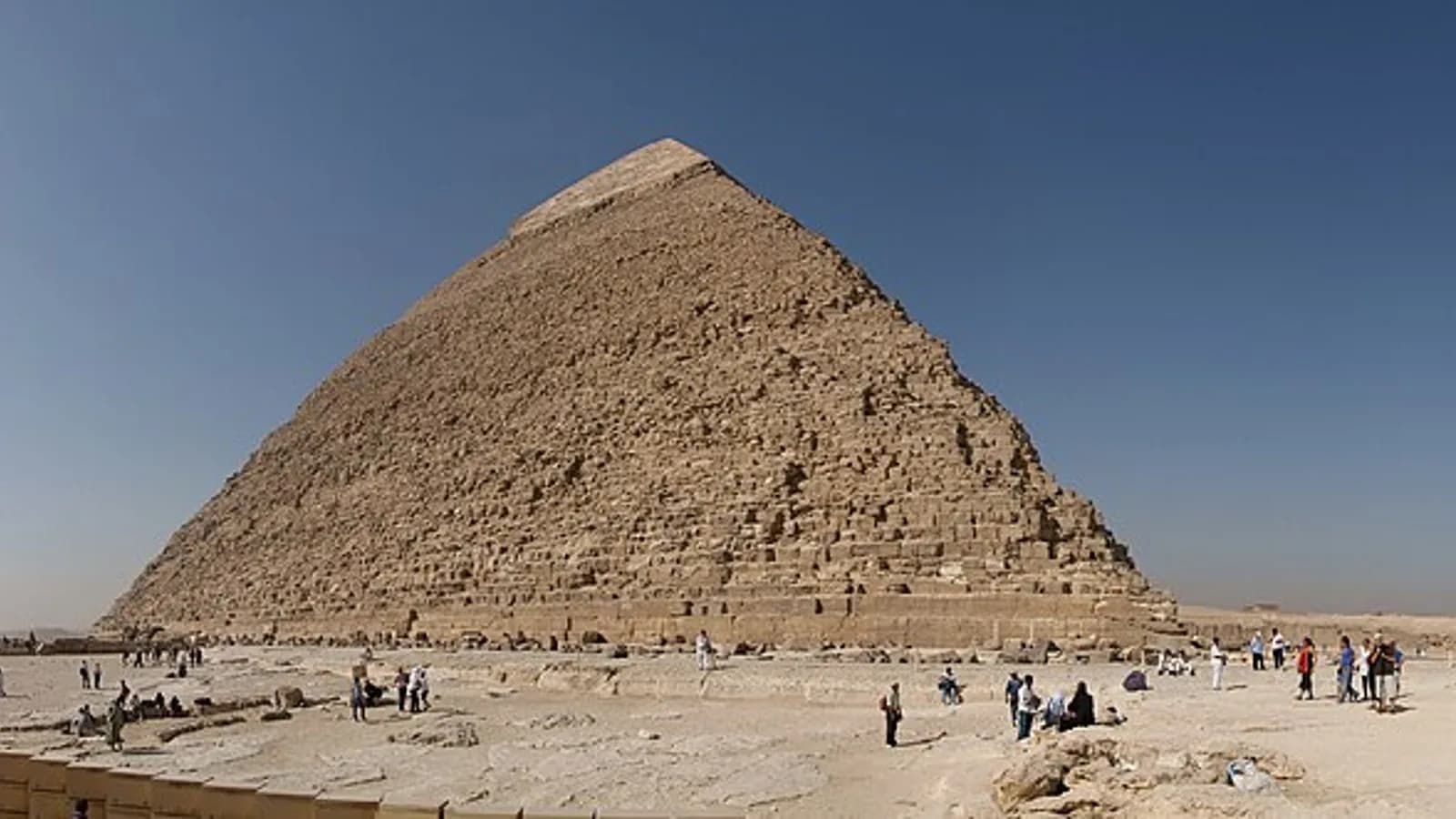
- In the cities, use ride-hailing apps in Cairo for fixed, fair fares; elsewhere, agree the price before you get in. ## How long and where For a first visit, seven to ten days is the sweet spot. The classic flow is: - Cairo & Giza (2 to 3 days), pyramids, the Grand Egyptian Museum, Islamic and Coptic Cairo.
- Luxor (2 days), Karnak, the Valley of the Kings, a sunrise balloon.
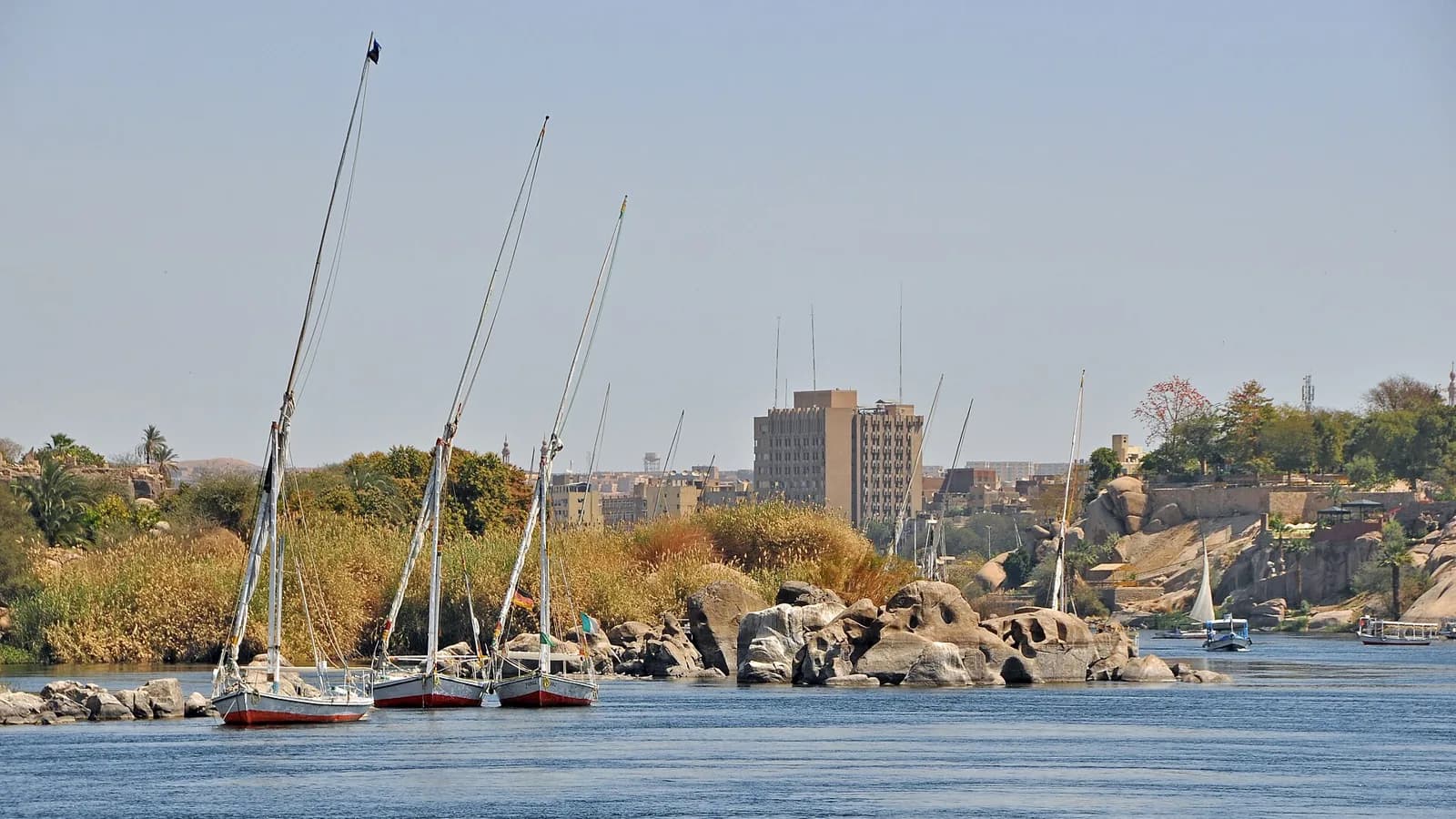
- Aswan (1 to 2 days), Philae, a felucca, a Nubian village.
- With ten days, add Abu Simbel or unwind on the Red Sea. To picture how it all connects, open the interactive map and trace the Nile from the delta to Aswan. For the experiences worth building around, see 14 Best Things to Do in Egypt; to choose your regions, read 8 Best Places to Visit in Egypt. ## A few first-timer reassurances
- You will not see everything, and that's fine. Egypt rewards depth over checklists, a slow afternoon in a tomb beats a sprint through five.
- The touts are a nuisance, not a threat. A polite, firm "la, shukran" (no, thank you) and a smile handle most.
- Drink bottled or filtered water, and ease into the street food rather than diving in on day one.
- Build in slack. Heat, crowds and the sheer scale of the sites are tiring; a trip with breathing room is a better trip. Egypt has a way of exceeding even its own legend. Come prepared in these few practical ways, and the rest is pure wonder.
Common questions
Is Egypt good for first-time travellers?
Yes. The main tourist corridor, Cairo, Giza, Luxor, Aswan and the Red Sea, is well set up for visitors, easy to cover with a guide or a well-planned independent trip, and packed with world-famous sights close together. First-timers who travel with a reputable operator have a smooth, rewarding experience.
Should I book a tour or travel Egypt independently?
For a first visit, a guided tour or private driver-guide removes most friction: tickets, transfers, context at the sites, and confidence with language and navigation. Independent travel is very doable too, especially with domestic flights and sleeper trains, but a guide adds a lot on a first trip.
How much should I tip in Egypt?
Tipping (baksheesh) is woven into daily life. Carry small notes: a few Egyptian pounds for small services, around 10% in restaurants if service isn't included, and a daily tip for guides and drivers. It's expected and appreciated rather than optional, but always modest.
What should I wear in Egypt?
Light, breathable, modest clothing that covers shoulders and knees works almost everywhere and protects you from the sun. Women should carry a scarf for mosques. At Red Sea resorts and on cruise decks, normal beachwear is fine. Comfortable closed shoes are essential for the sites.
Keep reading
 Travel tips
Egypt Travel Guide 2026: Everything to Know Before You Go
The only Egypt primer you need for 2026, when to go, visas, safety, how long to stay, and the route that strings the pyramids, the Nile and the Red Sea into one unforgettable trip.
 Itineraries
3 Days in Cairo: The Perfect First-Timer's Itinerary
Pyramids, Islamic Cairo, Coptic alleys and the Grand Egyptian Museum — a tested 72-hour plan that balances the must-sees with room to breathe.
 Travel tips
The Best Time to Visit Egypt: A Month-by-Month Guide
When to go for cool temple days, calm Red Sea diving and the lowest crowds — a season-by-season breakdown for every kind of Egypt trip.